
New AHRI research reveals a rise in internal complaints and highlights employers’ perceptions towards the impacts of recent employment reforms.
Last week the ABS released the latest employment figures, which showed that the unemployment rate has risen to 4.6 per cent – its highest point in almost five years.
While employment grew slightly in 2026 (up 1.2 per cent year-to-date), this headline increase in unemployment is primarily driven by population growth and high workforce participation, which have expanded the supply of jobseekers faster than new positions are created.
Additionally, although the official underemployment rate dipped slightly, job creation has heavily shifted toward part-time roles, leaving many Australians working fewer hours than they would prefer.
Part-time employment increased by 46,000 people in August, while full-time employment fell by 6000 people, found the ABS.
“This August we recorded a higher proportion of people who were previously not in the labour force moving to being unemployed, compared to recent years,” said Sean Crick, Head of Labour Statistics at the ABS.
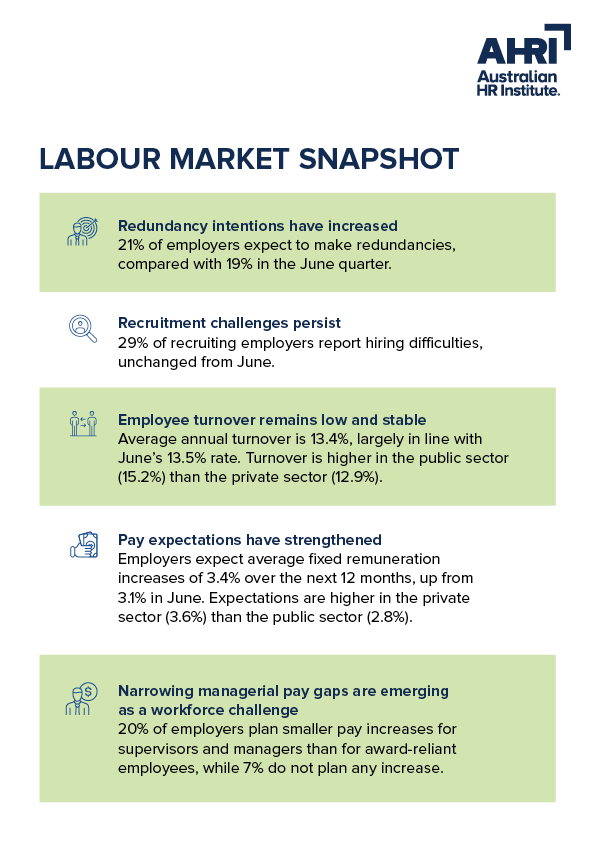
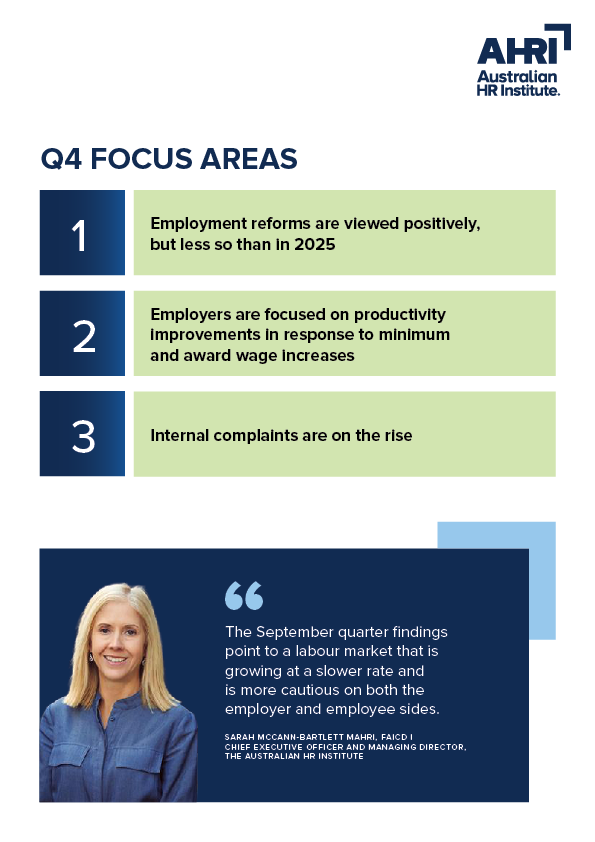
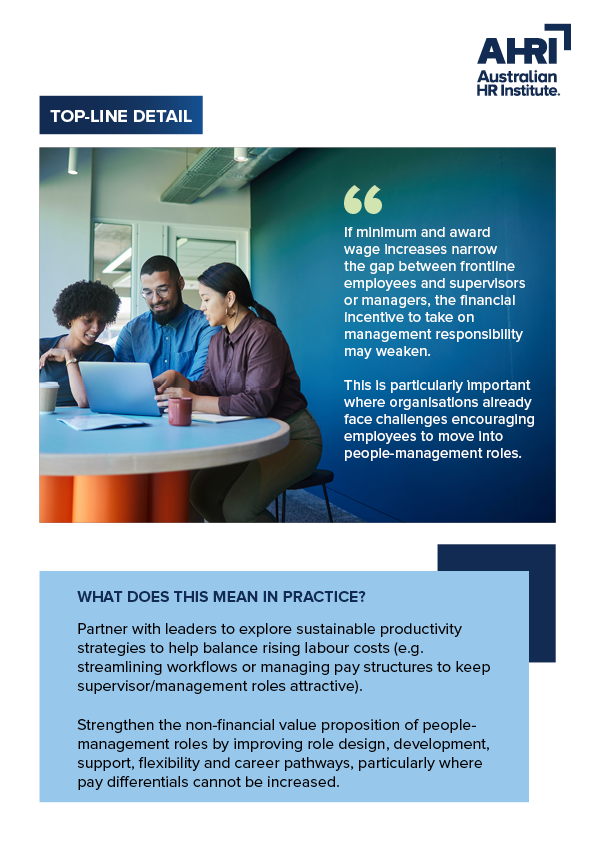
AHRI’s latest Quarterly Work Outlook Report (September, 2026) offers insight into Q4 labour trends at an organisational level (see infographic below).
AHRI found that recruitment intentions have slightly increased and that employee turnover has remained low and stable.
While strong recruitment intentions show that employers still want to grow, low turnover creates a less mobile talent pool, making external hiring harder and forcing organisations to look inward to train and develop the employees they already have.
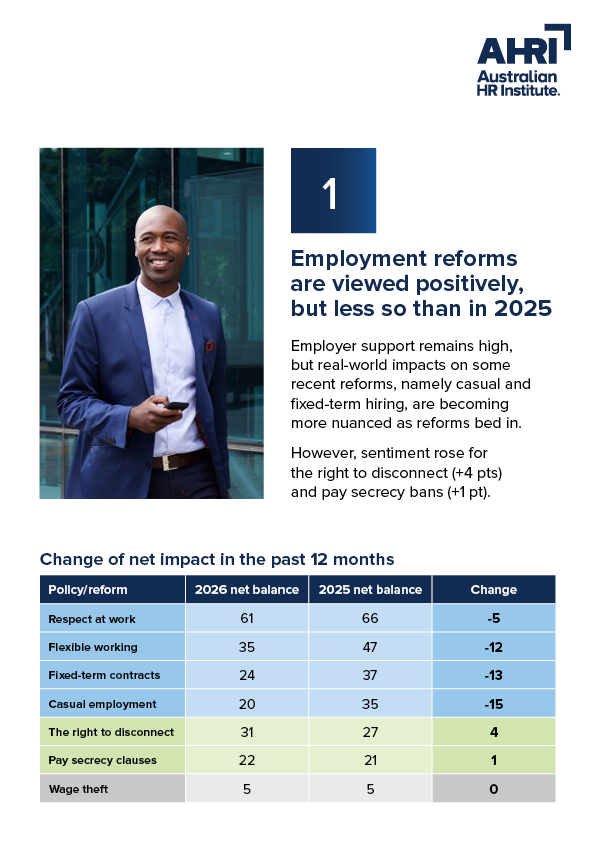
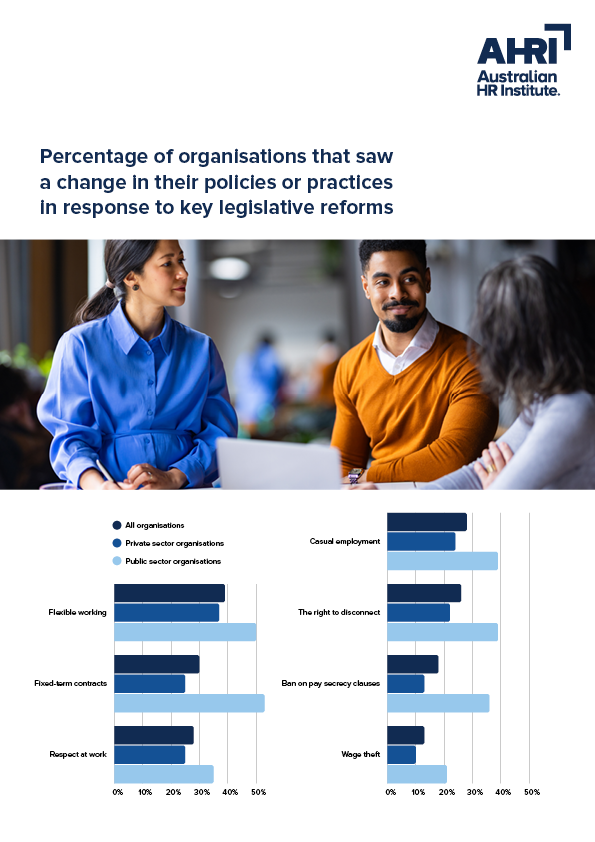
This quarter’s research also provided an opportunity to assess whether employers’ experiences and perceptions towards recent law reforms have shifted since 2025.
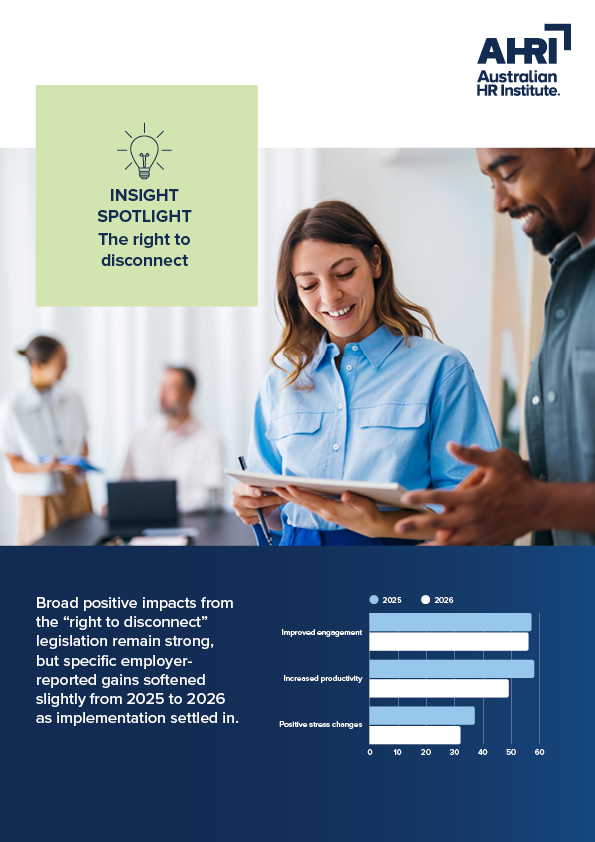
AHRI found that employers continue to report positive impacts from the legislative changes, with Respect at Work remaining the most positively rated reform while sentiment towards the Right to Disconnect rose by four points.
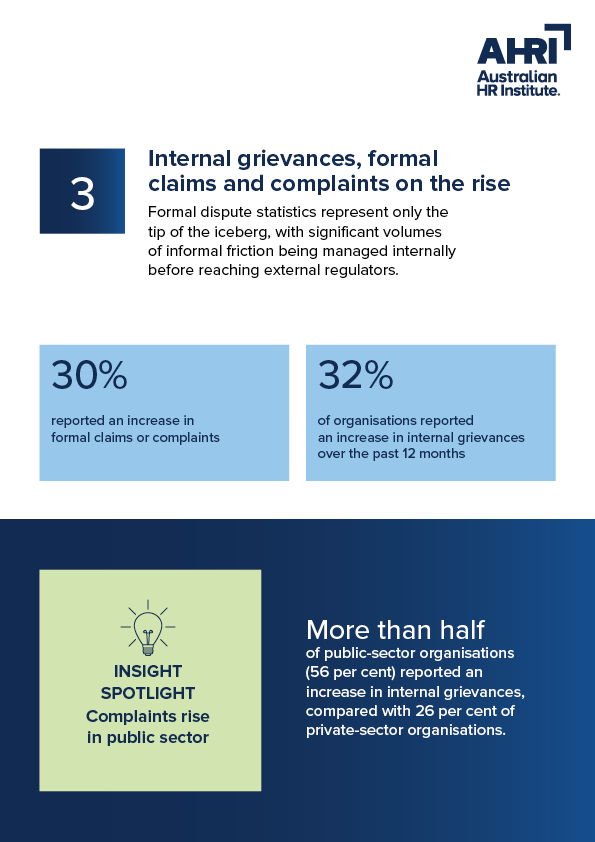
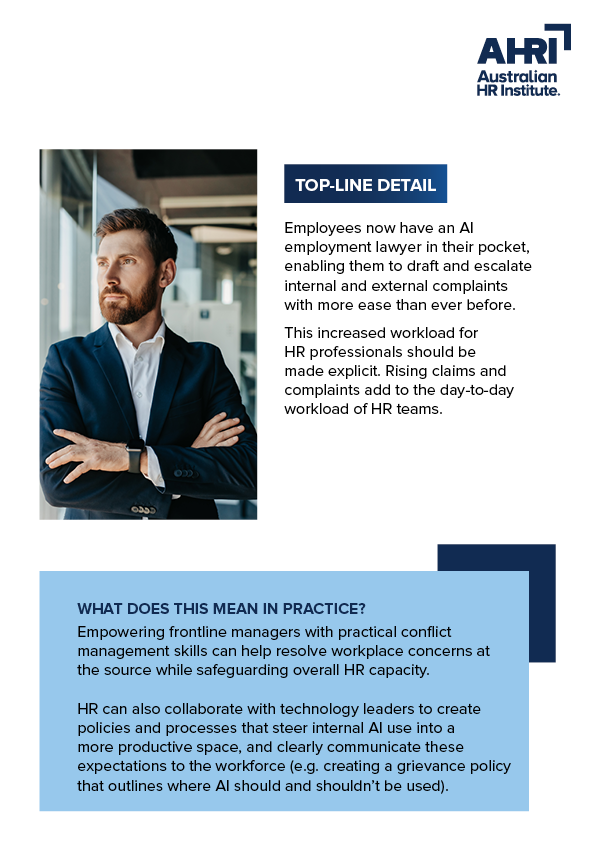
At the same time, while HR has played a pivotal role in implementing this significant workplace reform, they are also receiving rising volumes of workplace concerns, grievances and complaints.
Thirty-two per cent of organisations report an increase in internal grievances over the past 12 months and 30 per cent report an increase in formal claims or complaints.
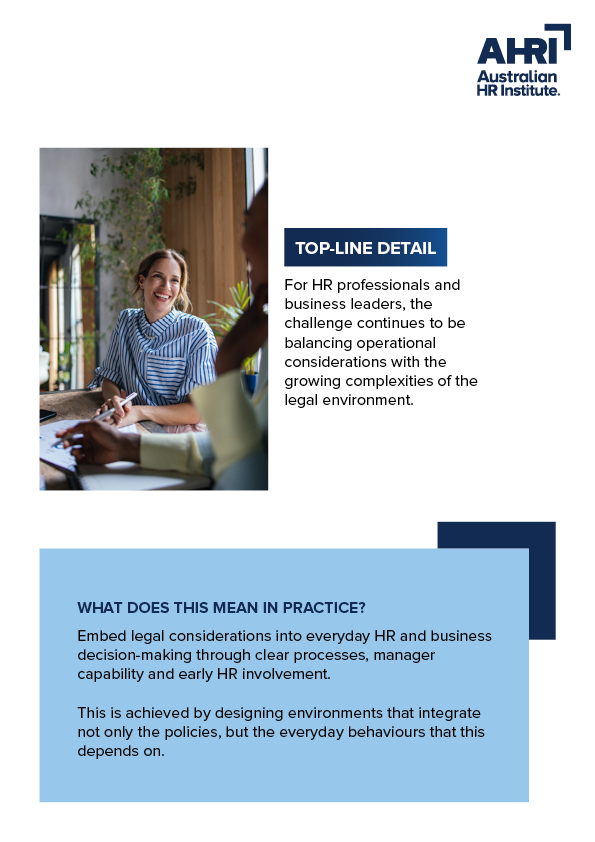
“As labour-market conditions continue to evolve, success will depend on ensuring organisations have the management capability and workplace practices needed to navigate a more complex operating environment,” says Sarah McCann-Bartlett, CEO and Managing Director of AHRI.
Download the resource below to see more Q4 insights and learn what they mean for HR in practice. The full report is available exclusively to AHRI members.
AHRI members can access the full Quarterly Australian Work Outlook report here. Not an AHRI member? Join today to access resources and research to help you stay ahead of the curve.



