To build a truly inclusive and psychosocially safe workplace, DEI and WHS must work in lockstep. Here’s how to turn compliance into cultural transformation.
By now, most HR leaders are well-versed in the importance of both diversity, equity and inclusion (DEI) and work health and safety (WHS). But what’s often missed is the strategic power of aligning these two functions.
When tackled in silos, organisations risk missing the root causes of harmful behaviours and workplace inequities. But when DEI and WHS are addressed together, they can become a formidable force for culture transformation.
A new era of compliance – and opportunity
In the current regulatory environment, organisations can no longer afford to view DEI and WHS as optional or isolated.
Since December 2023, the Australian Human Rights Commission has held enforcement powers to prevent workplace sexual harassment and related unlawful conduct.
At the same time, WHS regulators across jurisdictions – including Comcare and SafeWork NSW – have increased scrutiny of how employers manage psychosocial risks.
In addition, there are also significant financial penalties for breaches of offences under the WHS Act, of up to $2,312,000 for an individual and $11,561,000 for a body corporate.
Both sets of obligations require a positive duty: to eliminate or minimise risks to health and safety, and to prevent unlawful behaviour, so far as is reasonably practicable.
Meanwhile, DEI targets are raising the bar for accountability. The Australian Public Service Commission recently announced a goal of 24 per cent Culturally and Linguistically Diverse (CALD) representation in the Senior Executive Service, and 15 per cent across the broader workforce within four years.
And from 2025, employers with 500 or more staff must now report on gender equality targets under amendments to the Workplace Gender Equality Act.
See HRM’s infographic on WGEA’s gender equality target requirements.
This signals a shift: compliance is no longer just a matter of checking boxes. It’s about redesigning systems, embedding inclusive practices and actively preventing harm.
Integrating DEI and WHS
At their core, DEI and WHS share a common purpose – to create workplaces where all people are safe, respected and able to thrive. Yet they are often implemented by separate teams, with different objectives, metrics and reporting structures.
In reality, increased inclusion and psychosocial safety are mutually reinforcing.
Inclusive leadership is a protective factor against psychosocial risks. It fosters an environment where employees are more confident to speak up, report harmful behaviour and engage meaningfully in their work.
Consider these examples:
- A returning parent is sidelined from career-defining projects, despite prior success. Her request for more challenging work is dismissed with comments about “rebuilding her skills”. Over time, her engagement, performance and wellbeing suffer.
- An employee experiences frequent microaggressions. His colleagues shorten his culturally significant name in client meetings, despite his preference to be addressed by his full name. When he raises the issue, he’s told to “ignore it” or file a grievance – a process he avoids in fear of being labelled a troublemaker.
In both cases, well-intentioned training or mentoring programs may offer surface-level support. But they don’t address the systemic power imbalances and cultural norms that underpin these harms. That’s where an integrated DEI–WHS strategy becomes essential.
For instance, taking the first scenario, low job demand, low job control and poor support from supervisors are the psychosocial risks that need to be identified and managed to avoid issues escalating to a complaint.
From intent to impact: taking a systems approach
So how can HR leaders ensure DEI and WHS work together to drive meaningful, lasting change? One approach is to adopt the Plan–Do–Check–Act (PDCA) cycle, embedded within a WHS framework.
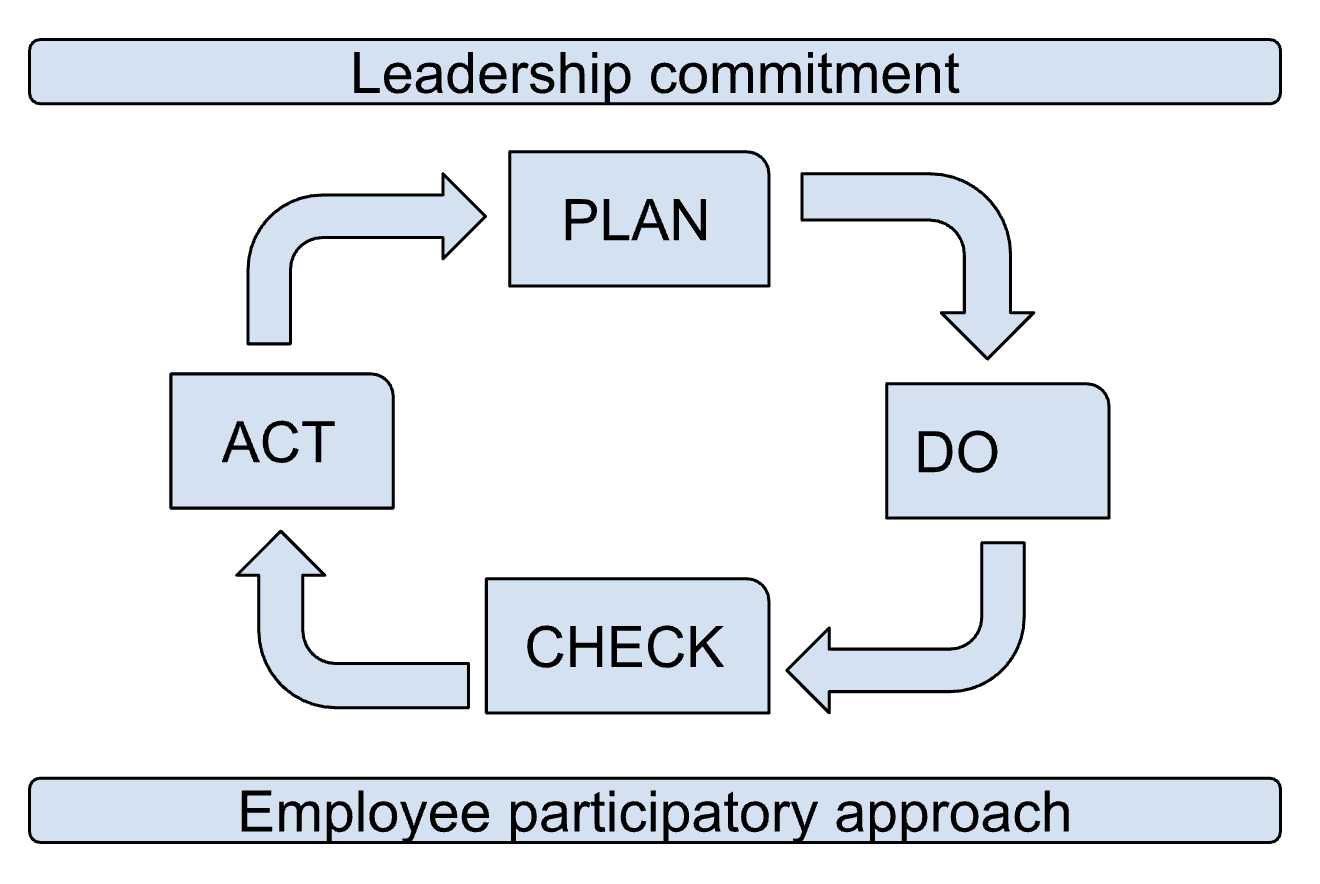
1. Plan: Understand the risk profile
Start with data – and then go deeper. Collaborate with your WHS counterparts to identify root causes of harmful behaviours.
Use both qualitative and quantitative insights to uncover what lies beneath the surface of employee experiences. Who is being affected, how and why?
Use a risk management lens to prioritise actions. Consider how work is designed, including decision-making structures, reporting lines, feedback mechanisms and reward systems. This is your opportunity to address risks at their source.
2. Do: Engage and co-design
Form transdisciplinary working groups – including WHS representatives, employee resource groups and frontline managers – to co-design solutions. This participatory approach is not only best practice, it’s a legal requirement under WHS legislation.
Establish clear executive sponsorship, and ensure DEI initiatives are positioned as risk controls – not standalone programs. A shared strategic communications plan can help avoid duplication and promote consistency.
“At their core, DEI and WHS share a common purpose – to create workplaces where all people are safe, respected and able to thrive.”
3. Check: Measure what matters
Monitor the effectiveness of initiatives using agreed data points such as changes in absenteeism, staff retention, mental health outcomes, staff engagements and psychosocial safety climate.
Has an increase in representation for diverse groups resulted in a decrease of psychosocial incidents or complaints from the baseline?
For example, an HR team implementing initiatives aimed at achieving a gender-balanced workforce would measure and review potential impacts on related outcomes such as sexual harassment complaints.
Importantly, any findings need to be validated against employee focus groups and engagement surveys. Are harmful behaviours declining? Do employees feel safe and supported?
It’s essential to work with your WHS team to evaluate whether your DEI programs are genuinely mitigating psychosocial risks – or merely treating the symptoms.
4. Act: Adjust and embed
Review lessons learned and scale what works. Feed outcomes into existing WHS governance and reporting structures to inform future resourcing and risk mitigation strategies.
By embedding DEI into WHS processes, you can ensure it remains a core business priority – not an add-on.
Hear more from Anna Dawson on building psychological safety and wellbeing at AHRI’s National Convention & Exhibition in Sydney on 19-21 August. Register now.
A leadership imperative
HR has a unique opportunity to reposition DEI as a WHS prerogative – not just a moral or reputational concern, but a legal and operational one. This reframing can help leaders understand the direct link between inclusion, psychosocial safety and risk mitigation.
Executives must recognise that:
- DEI and WHS obligations are increasingly intertwined, from WGEA reporting to anti-discrimination laws;
- Failure to address psychosocial risks carries not only human consequences, but regulatory and reputational ones;
- Without tackling root causes, harmful behaviours will persist – putting both people and performance at risk.
If I can leave you with three call to actions, it would be to:
- Reframe DEI as a WHS imperative
Before launching another training module, ask: what is the root cause of exclusion or harm, and how can we address it through safe work design? - Apply a risk management lens
Integrate DEI into WHS risk assessments to understand how cultural, structural and systemic factors impact employee health and safety. - Prioritise inclusive work design
Ensure policies, practices and roles are designed to support diversity and prevent harm – not just in theory, but in lived experience.
By connecting the dots between DEI and WHS, HR can drive not only compliance, but lasting culture change. That’s the real recipe for a thriving, equitable workplace.
Anna Dawson is an organisational psychologist with expertise in psychological health and safety, employee experience and workplace wellbeing. She has led projects to build leaders’ capability to foster healthy work cultures and elevate the employee experience by designing safe work.