
With more organisations quietly re-organising employees in a bid to avoid formal, large-scale redundancies – and the headlines that can come along with them – HR leaders play an important role in ensuring leaders don’t lose sight of the people impact.
We’ve all heard of ‘quiet quitting’, but now a new phrase is making headlines: quiet cutting. Instead of employees disengaging, organisations are reshaping, reassigning and sometimes quietly downsizing roles in ways that keep costs down without headline-grabbing redundancies.
But with some large organisations recently making changes which were anything but quiet, HR leaders need to pause and ask: how do we guide our people through this without losing trust?
What is quiet cutting, and why is it accelerating?
At its core, quiet cutting is when organisations sidestep formal layoffs and instead move people into different roles, reduce responsibilities or restructure departments. It’s cost management disguised as redeployment.
Recent announcements at some large Australian organisations, however, show the limits of subtlety. Redundancies at these organisations have been widely reported and not well received by staff or the public – or indeed SafeWork.
While it’s likely that some employees are being redeployed to minimise payouts, the perception is still one of disruption and discontent. Employees know when roles are being “repurposed.” They’re also sharing their experiences more openly on LinkedIn, in the press and within their own professional networks. For HR, that makes the people impacts of quiet cutting impossible to hide.
The human cost of strategic restructures
From the boardroom, quiet cutting often looks like prudent management. From employees’ perspectives, it can feel like the ground shifting beneath their feet, and trust and certainty evaporating.
The risks are real:
- Engagement drops when employees feel disposable.
- Retention suffers as top performers look for stability elsewhere.
- Reputation damage can be long-lasting, particularly for employers in competitive talent markets.
For HR leaders, the challenge isn’t just operational, it’s cultural. How you communicate, lead, and support your people through these changes will define your organisation’s credibility long after the headlines fade.
What HR leaders can do differently
- Lead with transparency
Employees can handle tough news better than vague half-truths. Share the “why” behind decisions, even if it’s uncomfortable.
- Support middle managers
They are the front line of communication during change, yet often the least prepared. Investing in their ability to lead with empathy is non-negotiable.
- Offer real career pathways
If redeployment is genuine, make sure employees have the resources to succeed in new roles. That includes training, mentoring and clarity of expectations.
- Balance efficiency with humanity
HR must remind the business that cost savings today shouldn’t come at the expense of culture tomorrow. Long-term trust is worth more than short-term margin.
Why leadership capability is the real solution
The reality is that restructures aren’t going away. In fact, economic uncertainty almost guarantees more of them. What HR can influence, however, is how organisations lead through change.
This is where leadership capability makes or breaks the strategy. A leader who can deliver tough news with empathy, help people see possibility in new roles and maintain trust during upheaval is invaluable. Yet, most leaders haven’t been trained for this. They’re promoted for technical skills and then left to navigate high-stakes conversations alone.
That’s a risk no organisation can afford. HR’s role is to equip leaders at every level with the skills to communicate openly, handle resistance and keep teams motivated. This is crucial because the “quiet” in quiet cutting disappears the moment leaders lose credibility.
Final Thought
Quiet cutting may be the buzzword of the moment, but it’s really a symptom of a deeper issue: organisations under pressure, with leaders underprepared. Whether the cutting is quiet or loud, people will remember how they were led through it.
At DLPA and Crestcom ANZ, we partner with HR leaders to build exactly these change-leadership capabilities, so that when disruption comes, your leaders are ready. Learn more here.
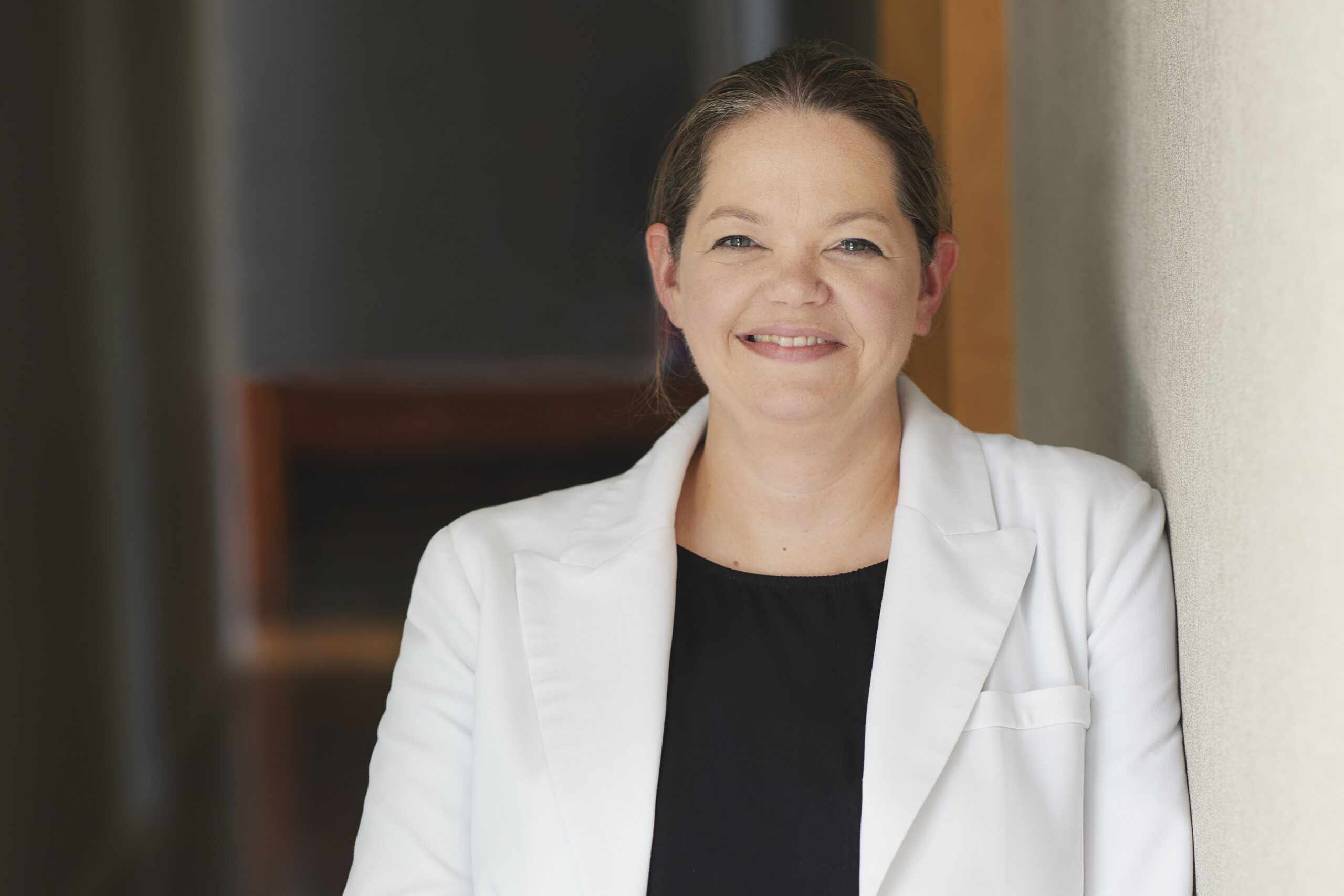
Karlie Cremin is the CEO of Dynamic Leadership Programs Australia (DLPA) and Crestcom ANZ.



