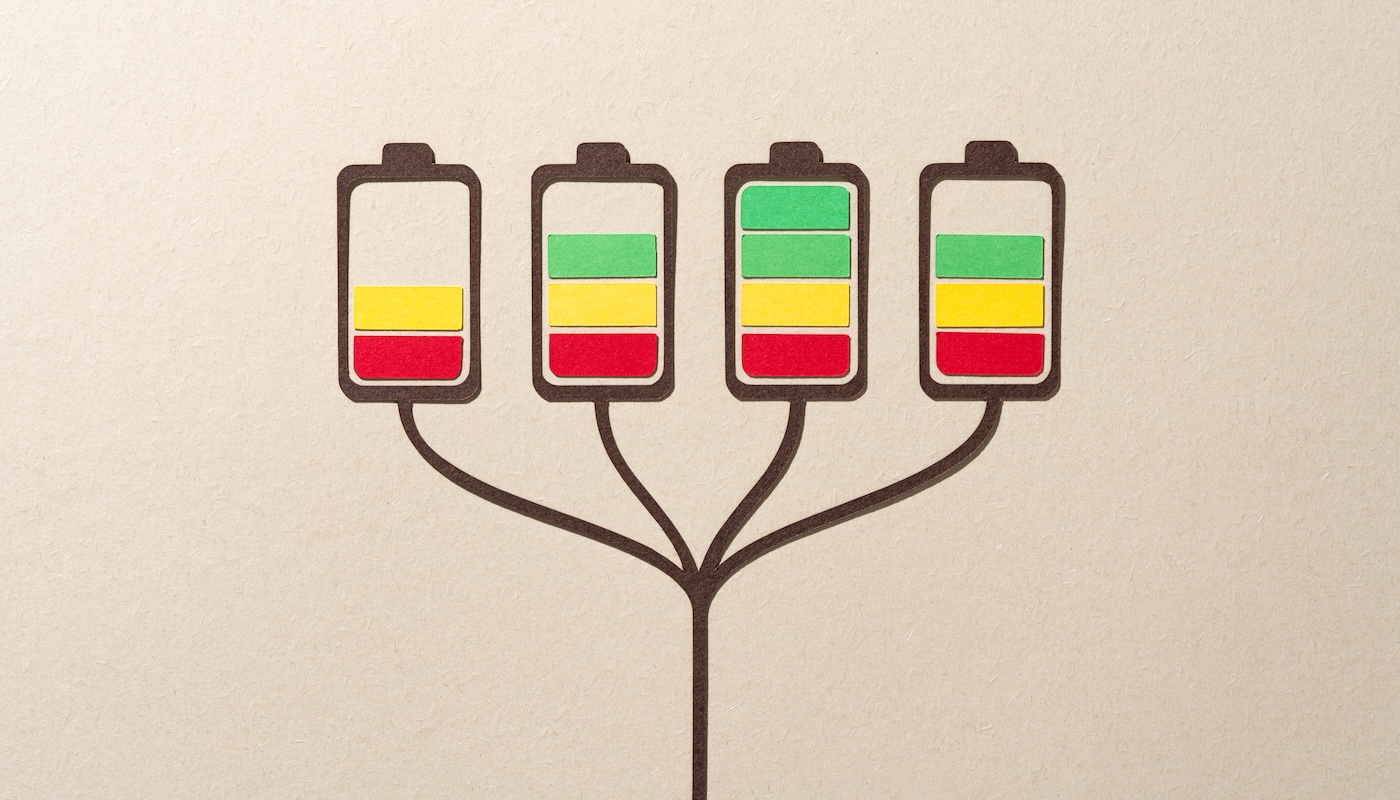
Extra shifts, ad-hoc tasks and informal cover can add up, resulting in a hidden strain that endangers wellbeing. How can HR help leaders and managers recognise and address the silent workload before it leads to burnout?
With so many senior executives leaving their posts due to exhaustion and burnout, developing ‘energy intelligence’ is becoming a business-critical leadership skill.
New research reveals a subtle form of disengagement has taken hold of Australia’s workforce, where employees appear fine on the surface while unravelling underneath. But how can HR spot the signs of quiet cracking when performance still looks strong?
Despite heavy investment in new technologies, productivity remains stagnant and workloads are mounting. How can HR build systems that sustain performance without burning people out?
The way work is structured has a profound effect on wellbeing, engagement and productivity. With thoughtful design, HR leaders can reduce risks like burnout while lifting performance across the business.
HR practitioners are so used to recognising and reducing burnout in others, but often struggle to see it in themselves. It’s important to take time to develop your own mental resilience plan.
Grit isn’t about toughness or pushing harder. It’s about designing work in a way that supports sustainable performance and long-term resilience. By helping organisations normalise discomfort and reframe success, HR can protect wellbeing while building resilience.
As work becomes more complex, and distractions only continue to increase, developing a strategy to protect your time not only helps to safeguard your productivity, it also positively impacts your wellbeing.
Unmanaged work demands, such as a high volume, pace and intensity of work, can have a severe impact on organisational success. An expert offers a simple framework to support HR.
4 – 6 August 2026 | BCEC Brisbane
Don’t miss out—register now
Join Australia’s leading HR event at the National Convention & Exhibition