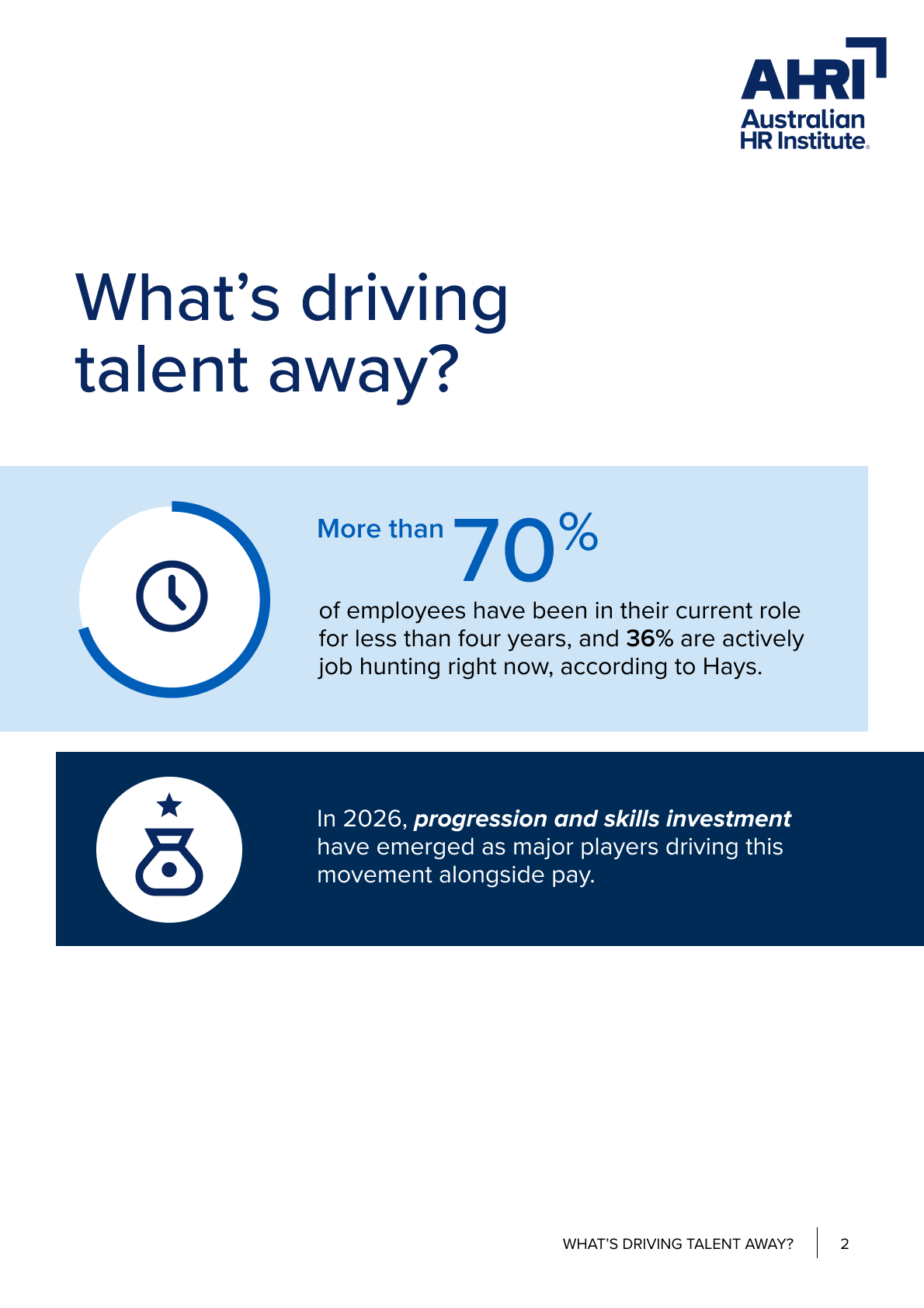
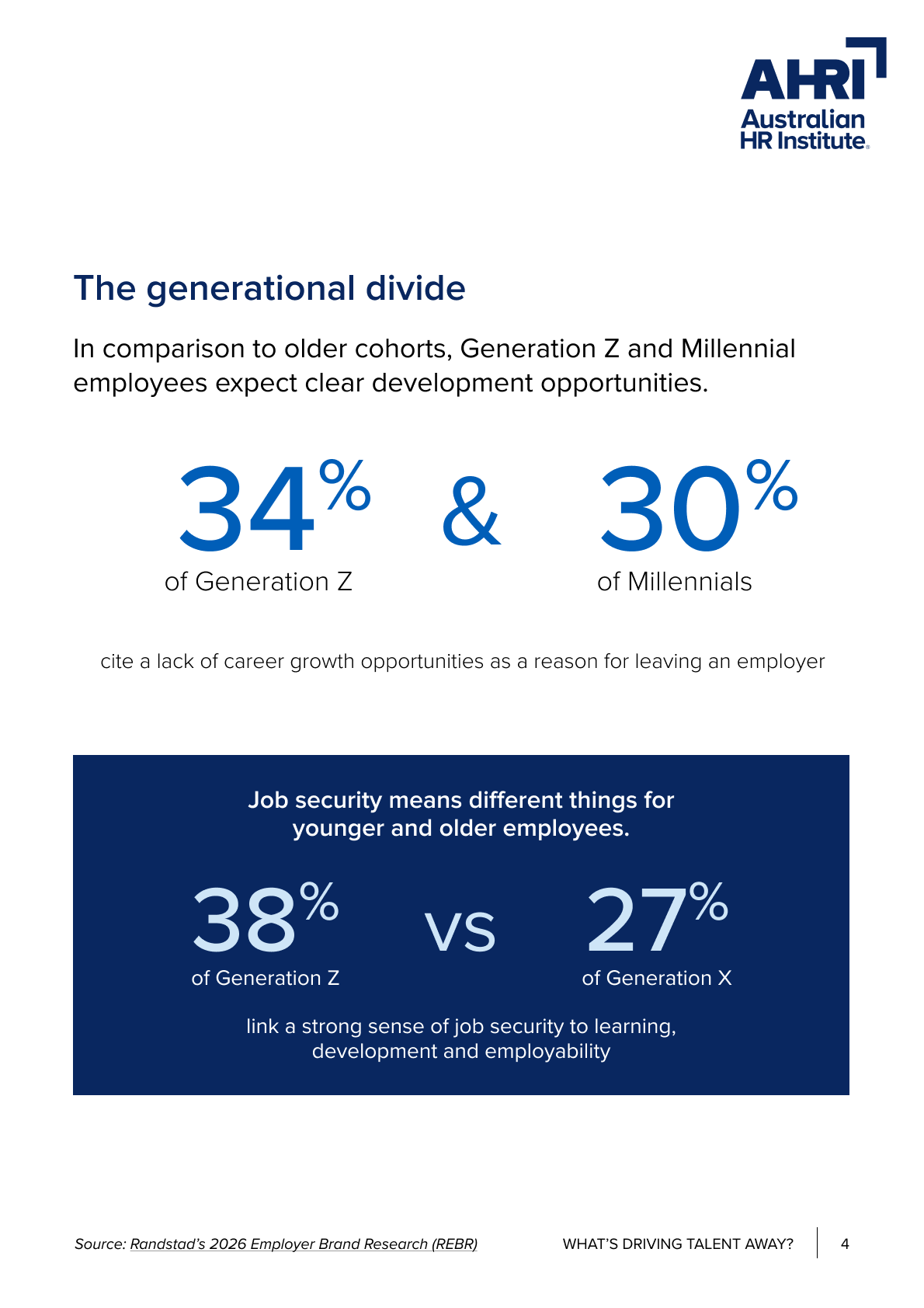
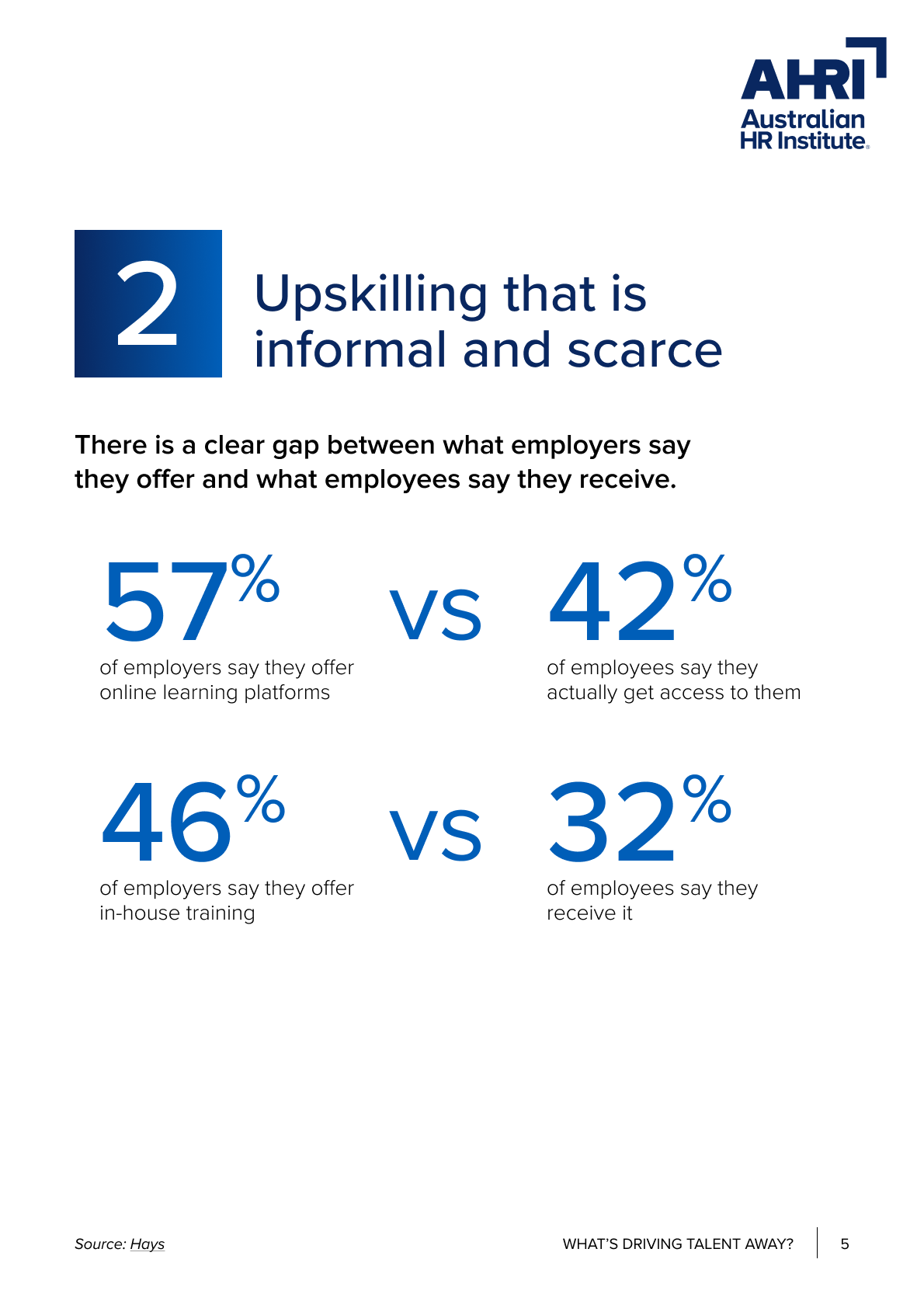
Employees are increasingly more willing to leave in search of organisations that communicate clear career progression pathways and skills development – not just higher salaries, according to new research.
Employees are increasingly willing to leave in search of organisations that offer clearer career progression pathways – not just higher salaries, according to new research from Hays.
“The employee value proposition (EVP) has fundamentally shifted beyond salary alone,” says Will Prest, Associate Director – HR at Hays.
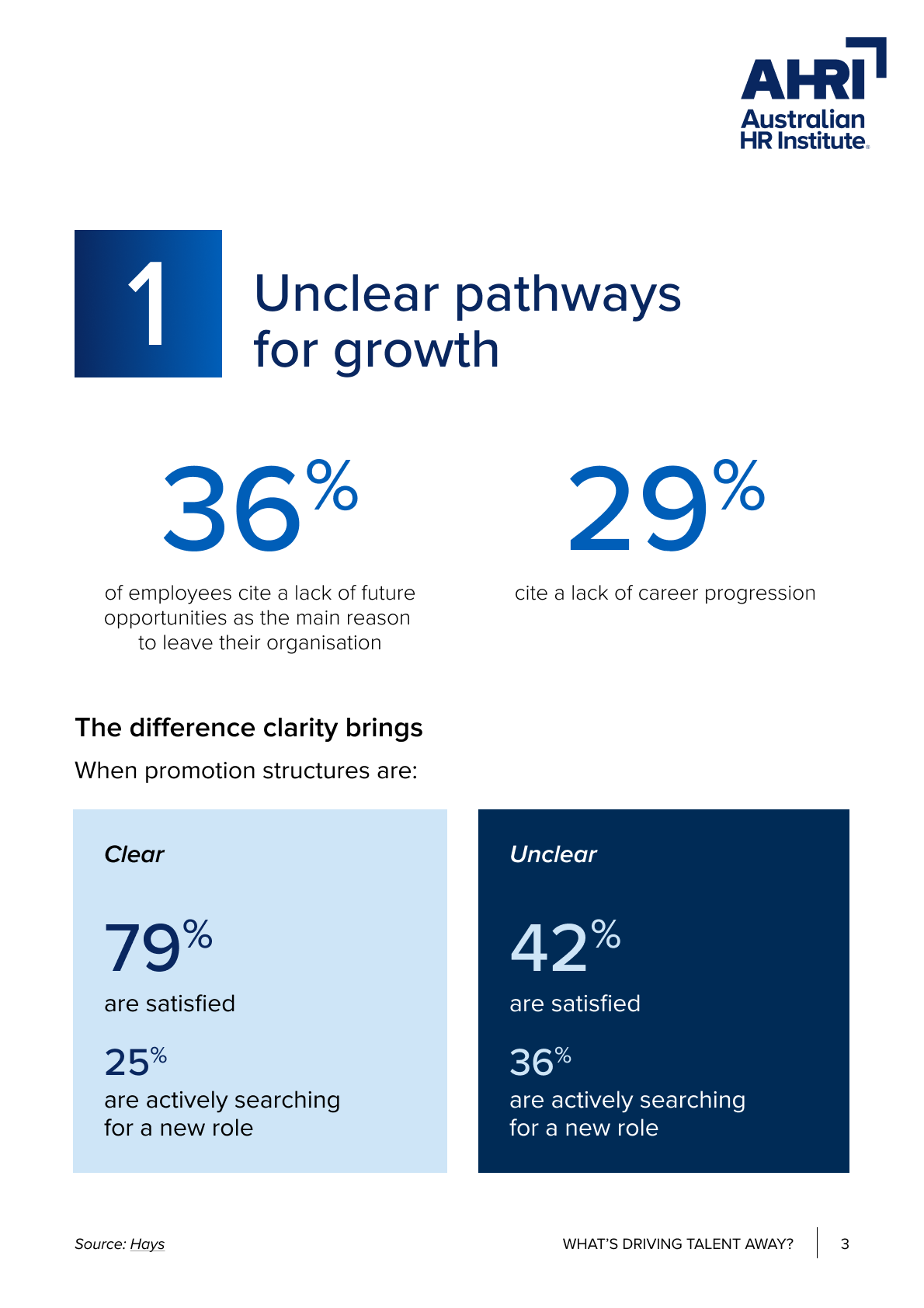
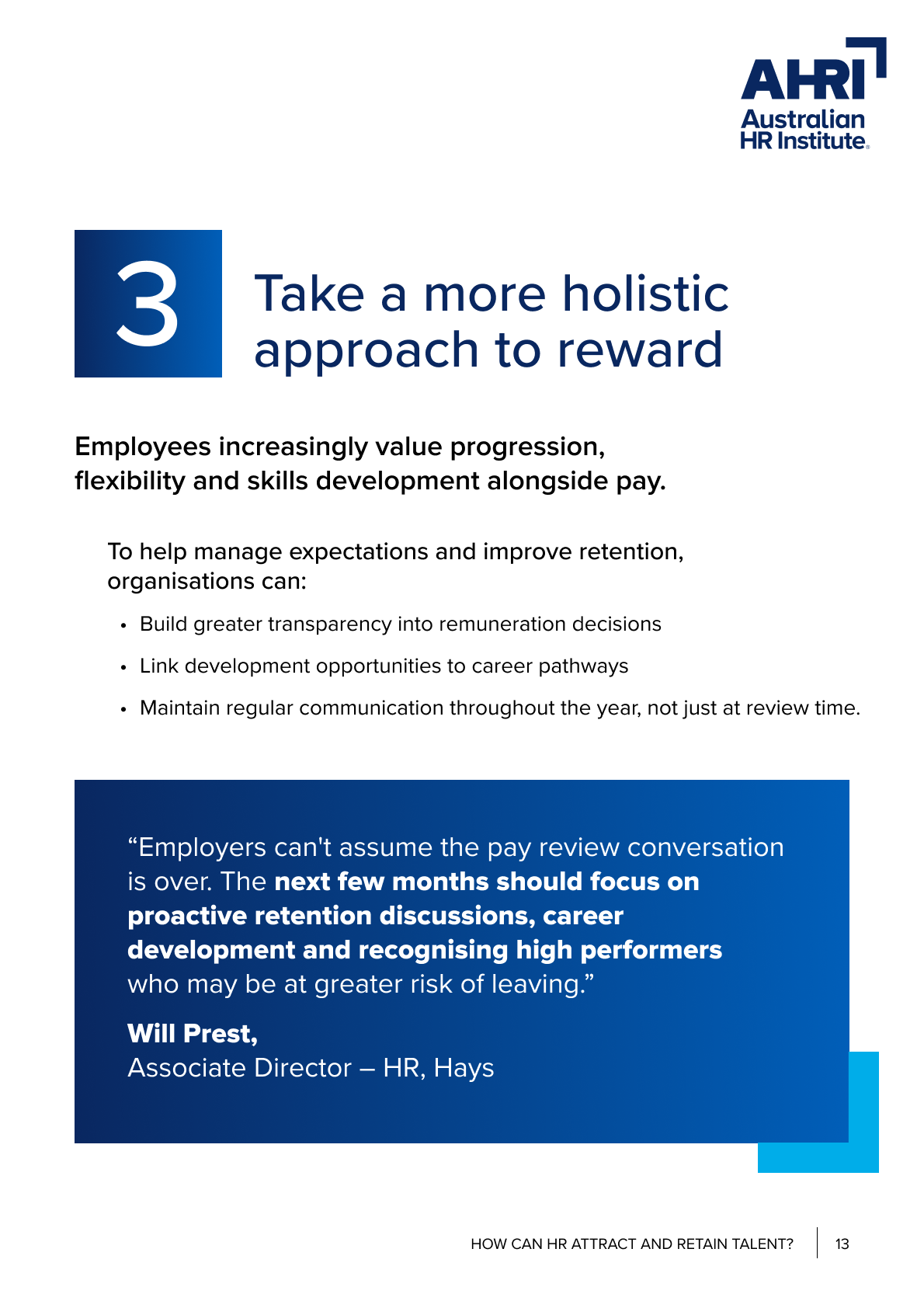
While pay remains the top reason for changing jobs (31 per cent), career progression (29 per cent), flexibility, skills development and workplace culture are increasingly important factors shaping attraction and retention outcomes, he says.
“Organisations that can offer a clear path for growth, meaningful flexibility and investment in future skills will have a significant advantage in a competitive talent market.”
Download the resource below to understand the latest data and what it means for talent acquisition and retention in 2026.

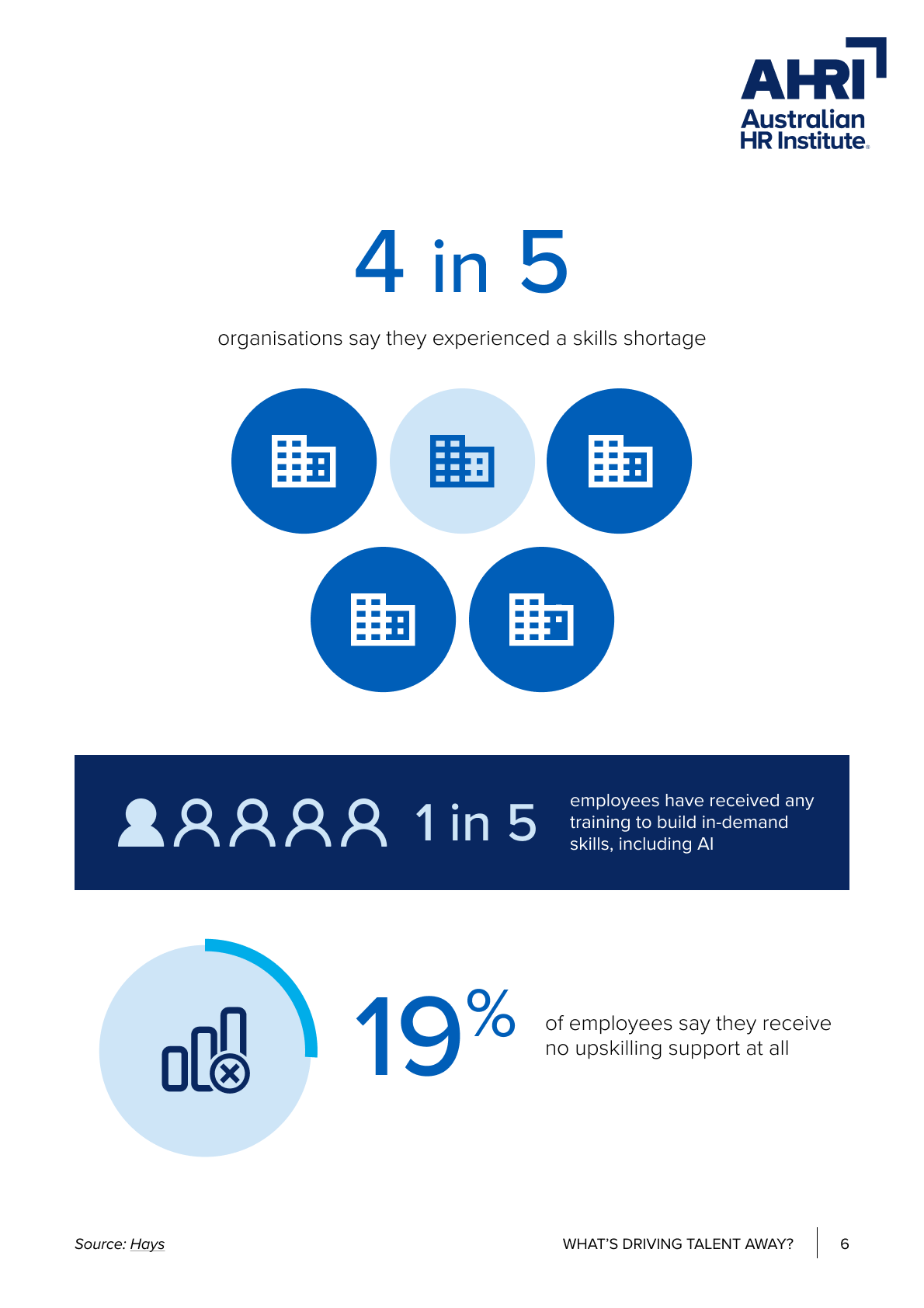
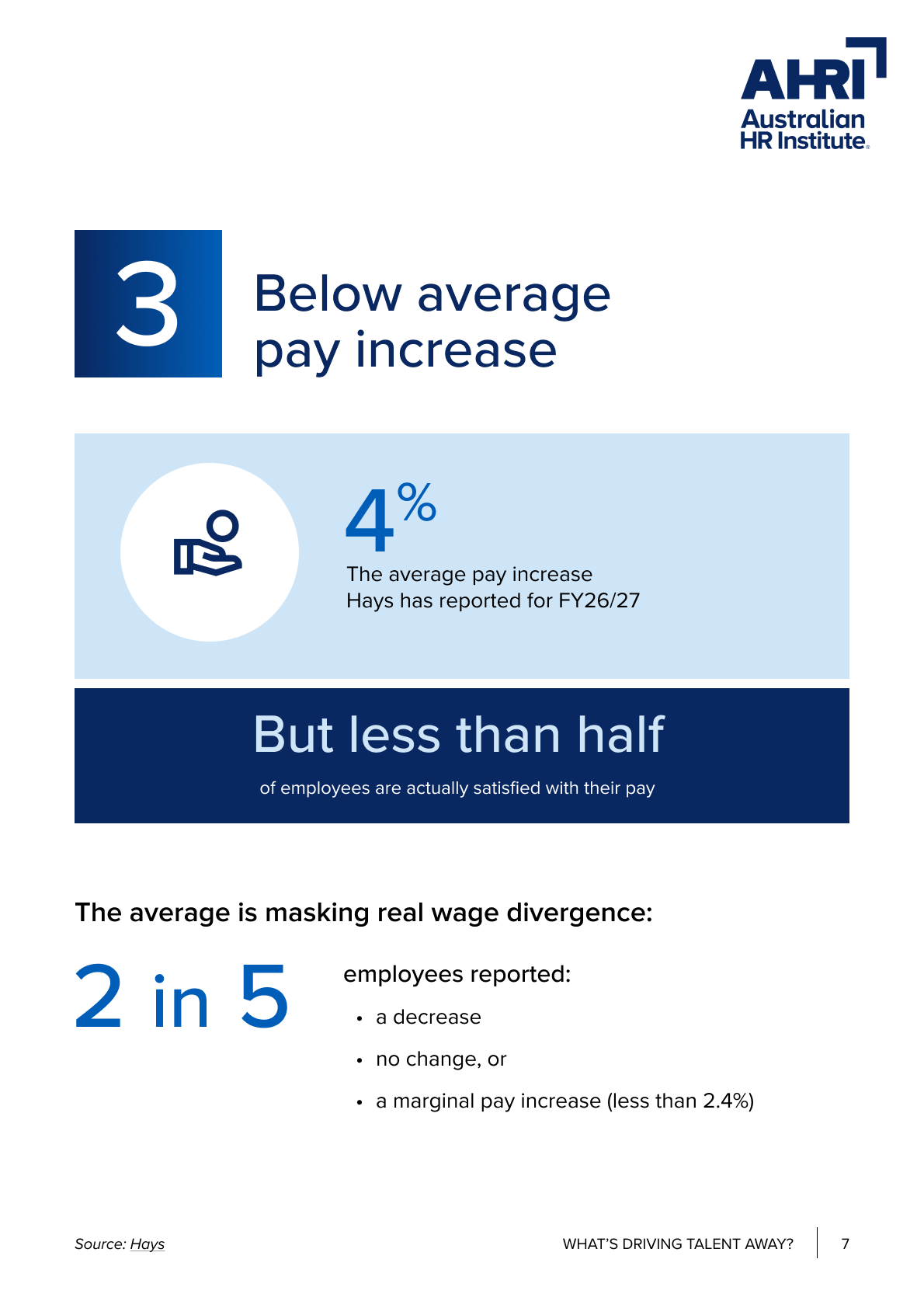
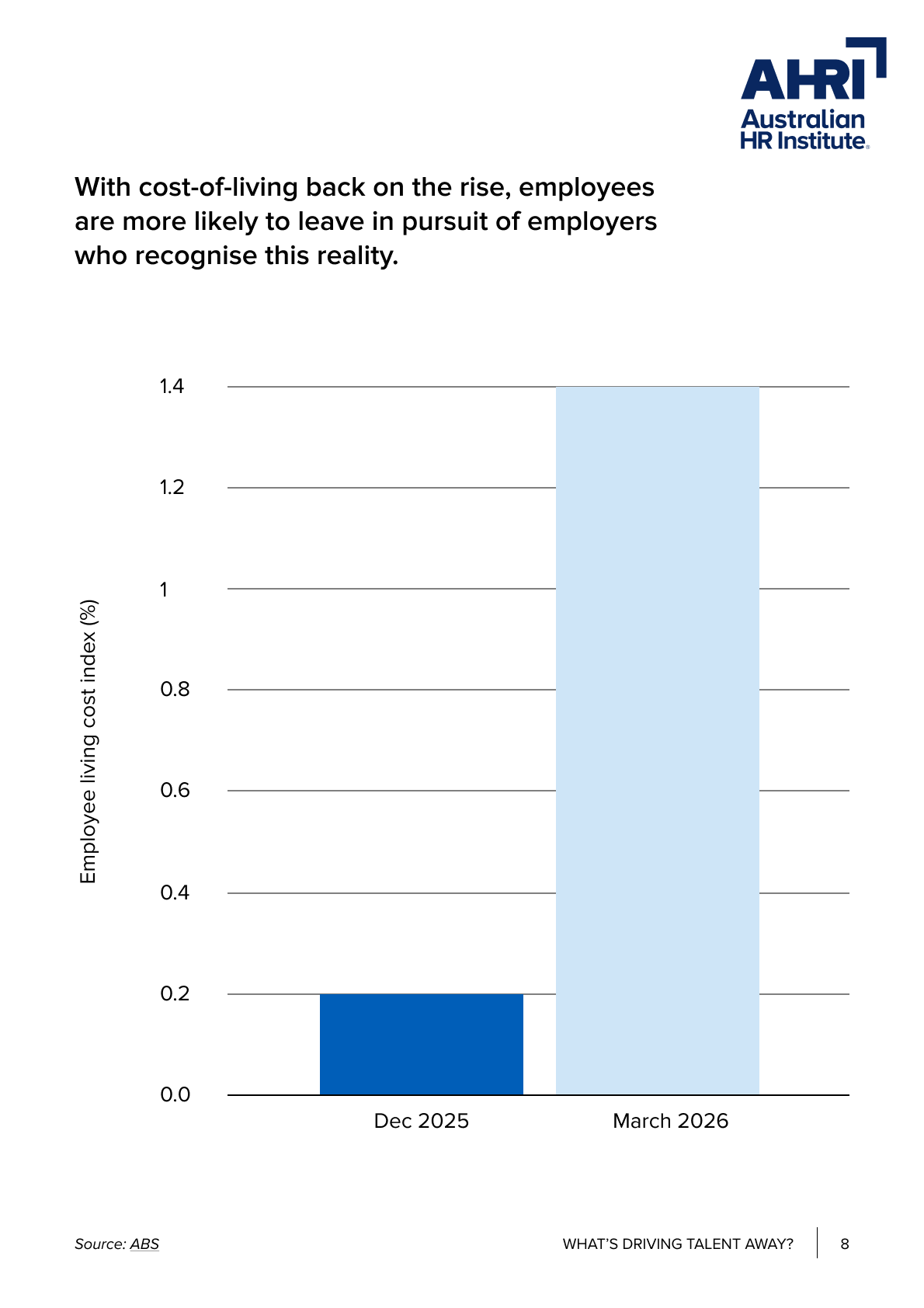
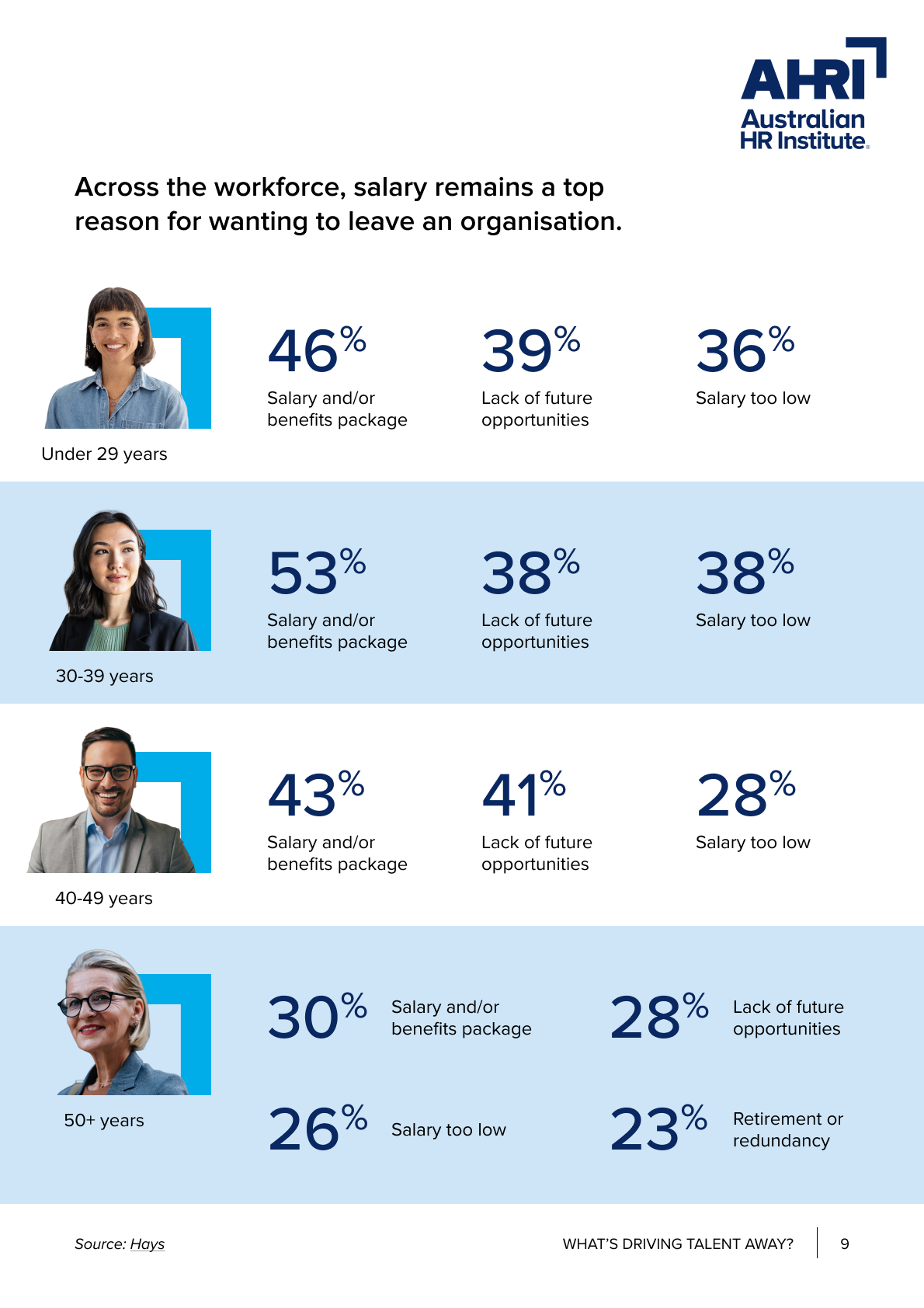

Download the infographic here.
Top takeaway for HR
Organisations should be reinforcing future growth opportunities, not just discussing pay, when communicating their value proposition, says Prest.
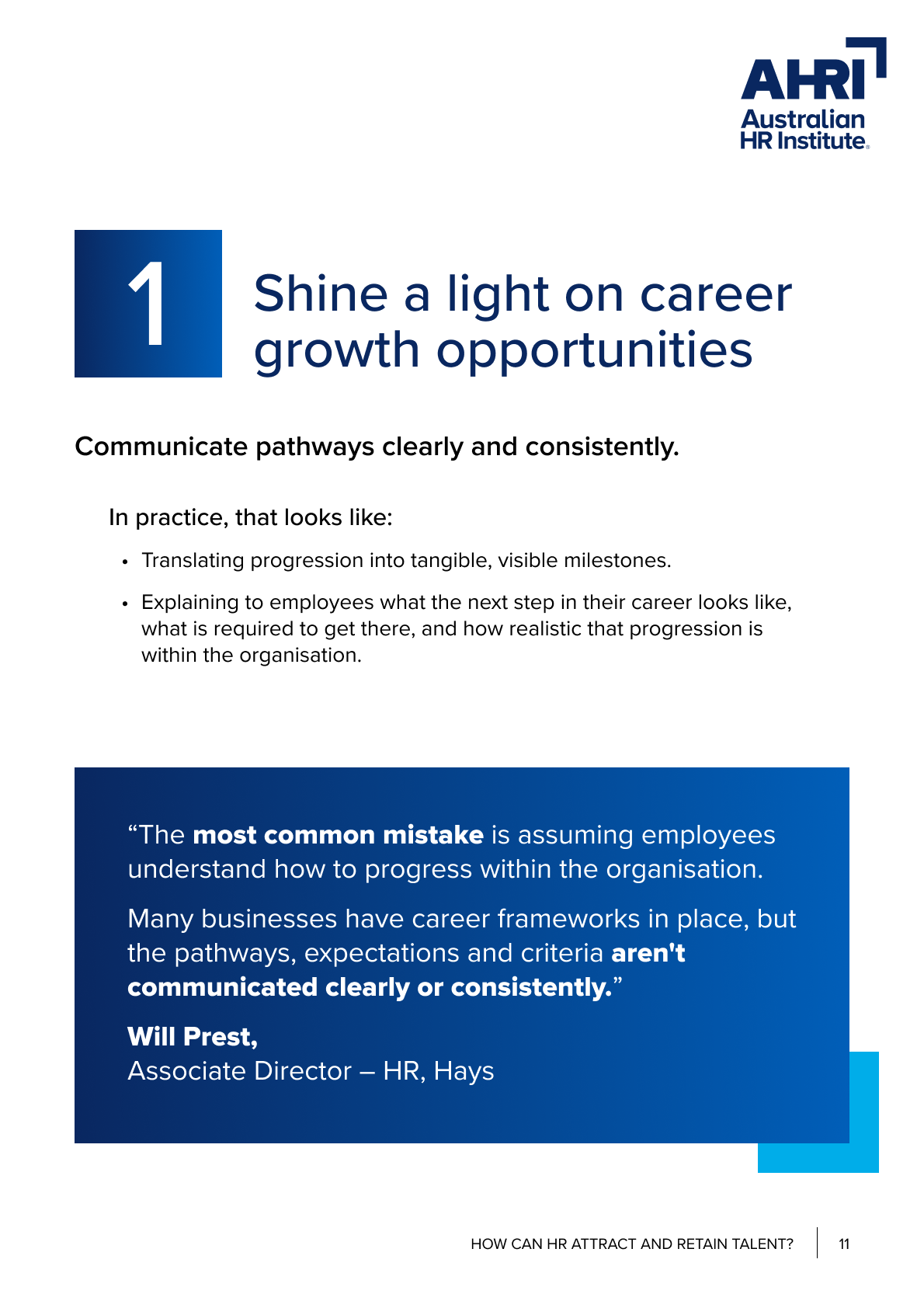
“When employees can see a clear route to advancement, job satisfaction nearly doubles from 42 per cent to 79 per cent. That highlights how important transparency, regular career conversations and defined progression pathways have become for retention and engagement.”
🧰 HR’s career resource toolkit
- Learning: Enrol in AHRI’s Developing and Embedding an Employee Value Proposition course to unlock the skills and tools you need to attract and retain top-tier talent for your organisation.
- Insights: Register for this upcoming webinar to delve deeper into the data and understand what’s changing in today’s job market.